
4 Ways to Find Community and Connection as a Digital Nomad
Community is key.

Art of Nomading is a newsletter that aims to help you discover the best places to travel, live and work remotely, save money on travel expenses and create an optimal nomadic life.
The important of communities
Over the years, we have come to understand something very important and most of us are starting to notice this as well.
A lot of our modern discontentment is rooted in the disappearance and lack of a sense of belonging to a community or tribe, which is one of our basic and fundamental human needs (according to Maslow’s hierarchy of needs).
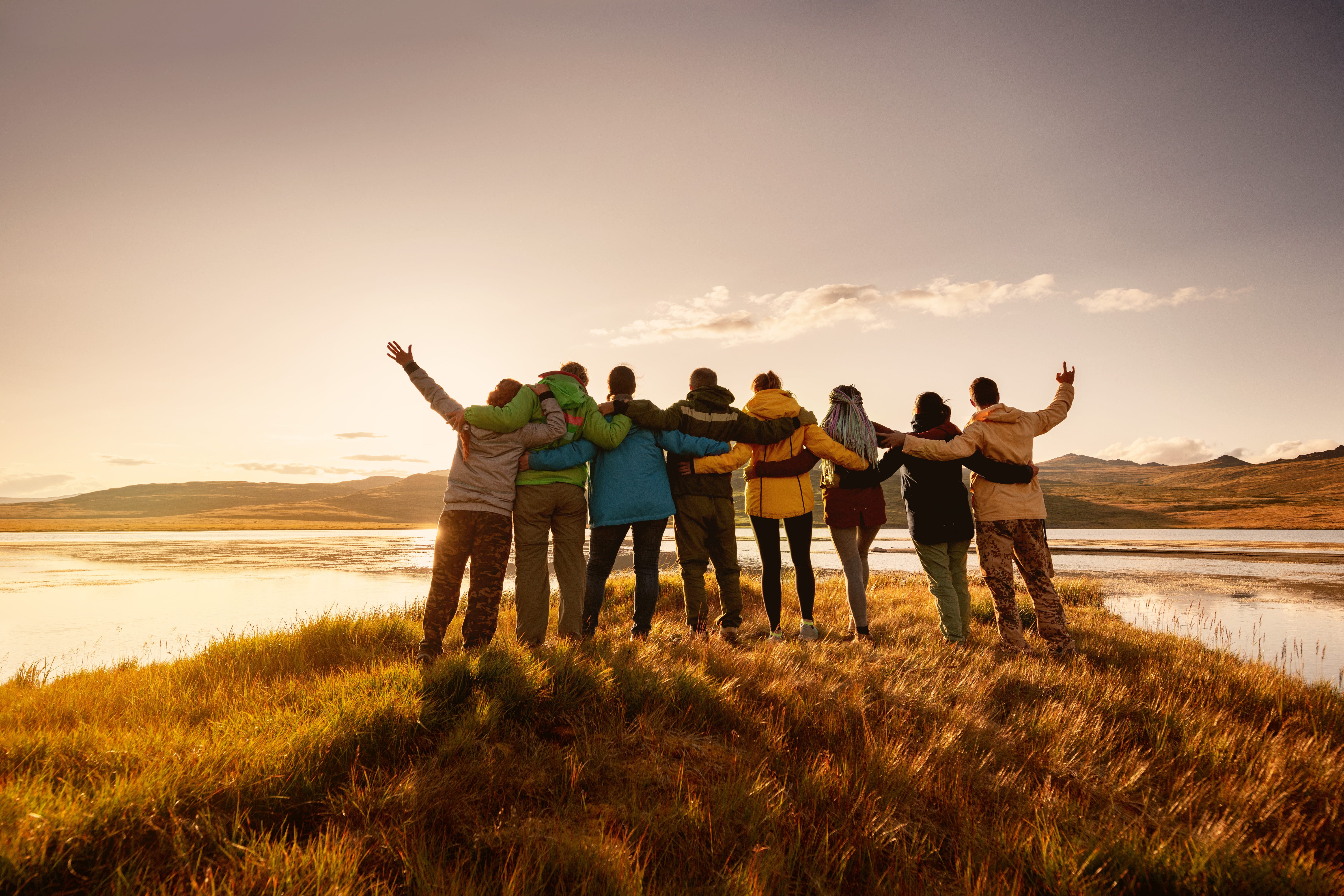
We need to feel connected to a group of like minded people and we need a bigger net of social support, love and care. We evolved and thrived as a species mostly due to our ability to work together in tribes in which we had to collectively care for each other, protect each other, provide for each other and build with each other towards common goals. In modern and industrialized societies, it’s harder to find and belong to a community of like minded people with common ground and whom you can lean on for social support. Having a community and a sense of belonging to a community or a tribe is important and is essential to our well being.
The lack of communities and sense of belonging to a community is a topic that keeps coming up when we talk to people we’ve met in the places we’ve traveled to. People feel lonelier than ever even though we are all so connected through technology. We still lack a real sense of belonging to communities since most are virtual and transient. It’s a by-product of modernity that is felt by a lot of people.
The lack of community and connection is something that a lot of nomads have worried about since we tend to moving around so often and always have to re-establish ourselves and find our community and tribe in each new place we roam to.
Our quest to find our “tribe”
One of the original reasons why we started travelling to different places was to find a place to call home in this wide world, a place where we can have a sense of belonging and would connect and bond with like minded people since we didn’t really feel this way in the places we grew up in, like Toronto, a transient city where people live fast paced, hustle lifestyles that places little emphasis on the importance of connecting with others and building community. we always craved a sense of community which we didn’t have.
We initially thought it would be hard to find community and connection as a traveler and nomad on the go, only spending limited time in places. But now after we got used to this lifestyle, we actually find it a lot easier to meet and connect with people as a nomad. For the past 3 years we’ve been a nomad, we’ve always managed to find community in the places we went to and connected with locals and other like minded nomads and travellers. The most surprising thing is that we were able to maintain some of these friendships and have been able to revisit friends we’ve made along the way (some for years) and also bump into them in other places we both end up going to or plan on going to together. That’s something we are extremely grateful for. The people you meet and the moments and memories you share with them is what makes travelling worthwhile.
We’ve also managed to find a few amazing places where we felt “at home,” which we would consider setting up a base and eventually enjoy the feeling of “coming back home” after being on the go. We loved these places because of the amazing communities they had that made me feel welcomed, connected and a sense of belonging.
Home is where the people you vibe with are essentially and can be anywhere!
After experimenting and trying out some of these methods, here are 4 ways to find community and connect with others when you’re travelling (as a digital nomad or long term traveller).
1. Stay at a coliving community

The best way to find and be part of a community is living with a community. Coliving is a communal way of living that now mostly caters towards remote workers and digital nomads looking for flexible short term accommodation in a communal space that also includes co-working facilities and offers community and social events. As mentioned in our Medium article, How to Find Affordable Short Term Accomodation as a Digital Nomad, coliving is a great option for digital nomads who are constantly relocating to new places and want a sense of community. Although sometimes you pay a little more than renting your own flat, you get a lot of perks and the best perk is that you instantly get a community when you move in.
At a coliving community, you are likely to meet and surround yourself with other like minded nomads, who are also temporarily living there, have travelled and worked remotely in other places and are open to meet and connect with new people. They know how the nomadic lifestyle works and it gives you common ground to bond over. You meet people right off the bat, you bond fast through a variety of social opportunities your coliving provides and maybe you make friends that stick for a long time.
On top of living and working with other like minded nomads who live a similar lifestyle, most coliving communities offers a lot of social events and activities that help the residents bond together and have fun! Depending on the coliving community you choose, it probably has a variety of fun community events that happens on a daily or weekly basis. You can also try to pitch new ideas to the coliving community manager which most coliving spaces have that is in charge of cultivating community.
The coliving experience for nomads in retrospect provides the social life and community you get from a mix between an adults camp, a retreat experience, and the traveller’s hostel experience, but it’s tailored towards working professionals and offers everything you need to work and live in an optimal way, on a short term basis, in cool places around the world.
Where to find Coliving places?
Coliving.com
You can search, browse and book nomad friendly coliving accommodation by using coliving.com or you can just do a simple google search for coliving places in the cities you want to relocate to (since not all coliving places are listed on coliving.com).
Selina Coliving
A popular coliving chain is Selina which offers coliving hostels in cities mostly in North America, Latin America, Europe, Israel and Australia and offers the most comprehensive nomad experience — comfortable living spaces, great remote work facilities, social events and community support. Selina also offers a colive subscription package where you can pay a subscription fee for a specific type of room in a region of your choice and then be able to try living in any of their coliving locations within that region.
Outsite
Another option is Outsite, which has a concept similar to Selina and offers nomads stays in their coliving establishments which are located mainly in the United States, Latin America, select places in Europe and Asia. Outsite does offer a more intimate nomadic experience than chain coliving spaces and with a membership, you can access their members hub and connect with their network of creatives, entrepreneurs and remote workers.
2. Try out a remote work and travel program
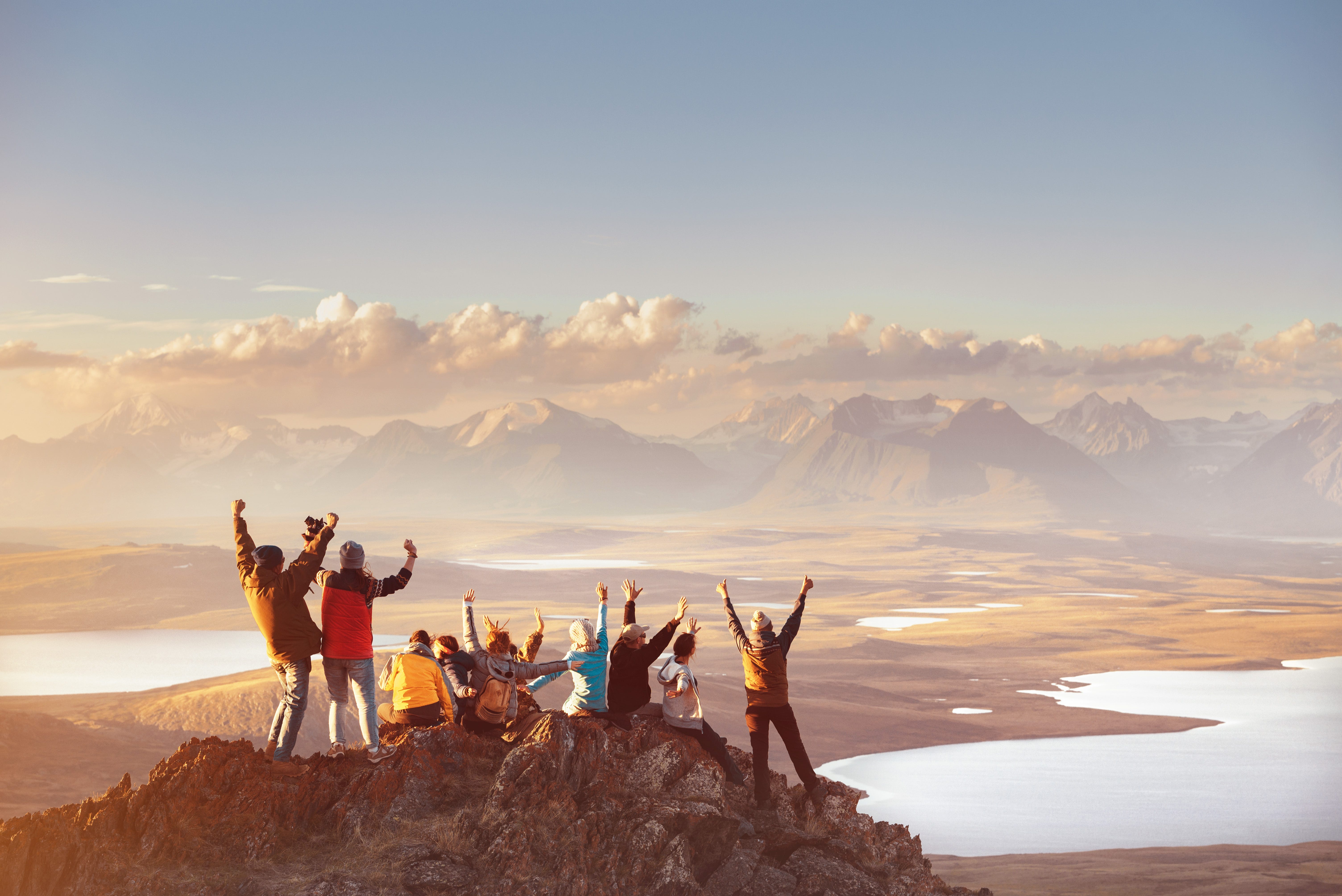
The all-in-one travel and remote work package
About 5 years ago, we first came across the idea of a “digital nomad” when we saw one of these programs being advertised. The concept was that anyone who works remotely and is location independent can join one of these programs which allows them to travel and live in different places every month with other “digital nomads.” Shortly after we heard of these programs, we actually met a girl who participated in Remote Year’s 1 year program and she told me it was life changing. The program took care of everything — flights, accommodations with co-working spaces included, travel and cultural experiences, social events, everything except maybe food. Everyone lived together, worked together, experienced new things together and traveled to different countries together. It was a basically a travelling tribe.
This idea really sparked our desire to become digital nomads so we can participate in one of these programs. A few years later, we did eventually become location independent and was able to work remotely from anywhere. These programs still allure me but they are very pricy so we have not tried out them out yet and we prefer to be more independent and flexible with timeframes and location.
If you are starting out as a nomad and wouldn’t mind spending more to get a great experience where you get to live, work, travel and be part of a travelling tribe for a couple of months and have everything planned and taken care of, then you should definitely consider this option.
Here are 3 remote work/ travel programs that you might want to consider joining:
Remote Year
The most well known and longest running program of its kind is Remote Year, which is the program I first heard of that sparked my interest in becoming a digital nomad. Remote Year offers a variety of remote work and travel programs:
Journey programs which are 4 months long and allows you to explore 4 cities in 4 countries on the same continent. Cost: $12,000 USD
Yearly program: a 12 month program that allows you to travel to 12 different cities in 12 months on 4 continents. Cost: $32,000 USD
Monthly program: a 1 month program for a specific city. Cost: $3,000+ USD
Wellness Retreats: 1–2 week retreats in a specific place. $2,000+ USD
What’s included: Accomodation, workplace, airfare & ground transportation, travel & cultural experiences, health & safety support.
The prices for these programs are a little too much for staying in some of these affordable places. With $3,000 USD, you can live lavishly in Thailand, but it might be worth it for you to have the community that Remote Year offers.
Wifi Tribe
It’s in the name, once you join the program, you become part of the “wifi tribe” of remote workers and travellers.
Wifi tribe is gaining a lot of popularity now and aims to provide a more authentic and intimate group travel experience and also emphasizes on the community aspect of travelling together as a tribe. It’s more exclusive where you have to apply, be interviewed and accepted into the tribe.
Once accepted, you can choose chapters that are between 4, 6 or 8 weeks long in destinations available. Prices are more affordable and reasonable than Remote year. Each chapter costs around $1,200 — $2,800 USD which depends on the location of the chapter.
What’s included: Accomodation, workplace, travel & cultural experiences.
Wifi Artists
Wifi Artists is a new and up & coming remote work & travel program that’s been on my radar. I’ve had two friends that tried it out and liked it so I put it on the list. Wifi Artist has a concept similar to Wifi Tribe and Remote year, with a focus on community and group travel for remote workers and digital nomads.
Wifi Artists currently have 8 monthly programs in 8 different cities so it doesn’t have as many options as the two previously mentioned since it’s newly established. For monthly programs, the cost is between $1,500–2,800 USD which vary depending on the place of stay. The price is comparable to Wifi Tribe and more affordable than Remote Year programs
They do mention on their website that they have a 4 month program, which offers a better deal. For 4 months in 4 places, it’s $8,500 USD, which is cheaper than 4 months with Remote Year and the price averages out to $2,125/month.
There is also an option to do a 12 month program, which is $26,000 USD, but they only listed 8 places on their website so I assume, it’s in the works.
What’s included: Accomodation, workplace, city guide & tours, backup Technology (Laptop, Charger, Batteries), gym membership, public transport pass.
3. Stay in a nomadic hub & go to co-working spaces
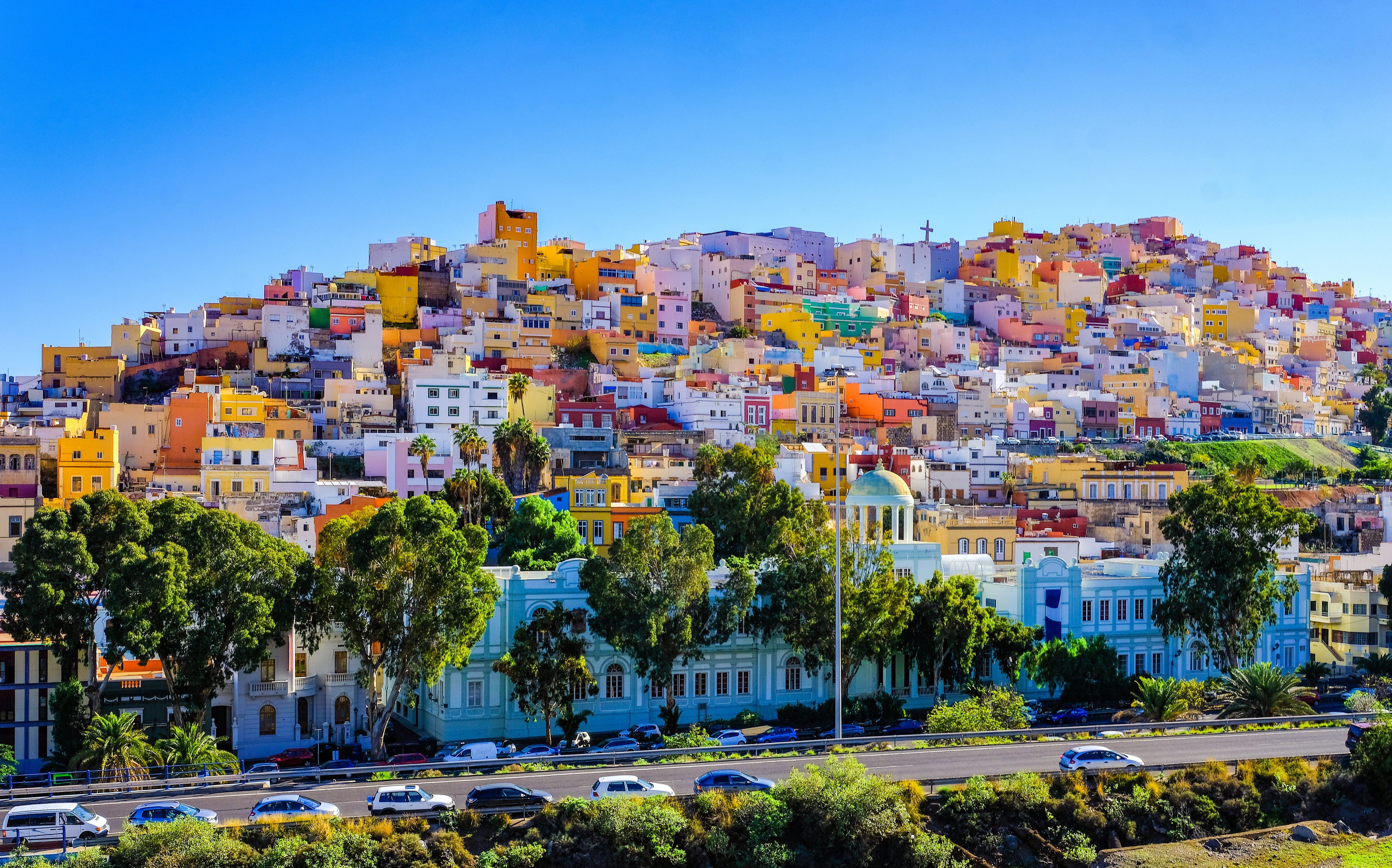
Go where the community is!
The best way to find a nomadic community and connect with like minded people is to stay in nomadic hubs. There are a number of popular nomadic hubs around the world that attract digital nomads and remote workers. What makes these places “nomadic hubs” is that they have a big and active nomadic communities that welcome and integrate new-comers and provides good and affordable living and working facilities and amenities.
Many countries are even offering visas to attract more digital nomads to build or expand nomadic hubs in their country since remote work is the future (who wants to work at a stagnant office job anyways?).
In our experience, we found that whenever we go travel to a place, especially a place that’s not a nomadic hub, locals and expats who live in these places permanently always ask me if we want to stop, stay and establish a base and don’t get why we like to experience living in different places and want to move around. It’s also hard to make friends, find community and make connections when you’re a nomad and you end up in a place with no nomads and no one understands why you live like this. It’s also hard to make friends with locals and expats since they already have their group of friends and since they live there permanently, they aren’t as willing to meet up and do things often. So if you only stay in a place for 1–3 months and you’ve only met expats and locals who only can hang out maybe once a week, you, you barely get to see them or bond with them. But we did manage to meet locals, expats and short term travellers and maintained a strong friendship that lasted years and they are the reason that we keep going back to see them and would consider making a base in the places, so sometimes it works and it takes effort.
The key is to meet other like minded remote workers and nomads that have the same mentality and are easier to connect with since they are also looking to connect and bond over a short period of time in a new place. So where are the best nomadic hubs to stay in where you can meet and connect with like minded nomads?
Nomadlist
One great resource to use to see which place might fit your needs is Nomadlist. Nomadlist has a large database of places around the world that are nomad friendly and provides all the information you need to relocate to these places. Nomadlist also suggests lists of places based on filters you can select to narrow down your search. You can browse through lists such as “popular now,” “fast internet,” “under $1K,” “good nightlife” and “LBGTQ+ friendly.” Nomadlist is a free resource but after using it repeatedly, you would have to get a paid membership as it won’t allow you to view all the information you need unless you get the paid membership.
The biggest perk to having a Nomadlist membership is that it allows you to connect with other nomads in your location once you sign up and there’s often meetups that happen so it’s a good way to connect with people. It’s a really useful resource to have and it’s just a one time membership fee so it’s been really worth it.
Here are some top nomadic hubs that you should consider going to as a nomad according to Nomadlist and from my personal experiences:
Playa del Carmen, Mexico — you get beach, sun, great nature & adventure activities, tacos, and the best and most active nomadic community I’ve been to.
Las Palmas, Gran Canaria, Spain — Best and most active nomadic community in Europe (in my own experience and other people I’ve met). There’s beach culture, warm all year round, stunning nature and has a big and tight knit nomadic community. Also very affordable.
Lisbon, Portugal — One of the most popular nomadic destinations in Europe where everyone seems to flock to. Lisbon offers a charming city living experience and has a big nomadic community. Lisbon used to be affordable but has now become unaffordable due to the flock of nomads going there. Despite that it’s still a cool place to check out.
Chiang Mai, Thailand — Everyone loves Thailand and Chiang Mai is the best nomadic hub in Thailand. It’s still extremely affordable, maybe half the living costs as the ones mentioned above. Definitely a must visit in Asia.
Bali, Indonesia — Paradise in the jungle, everyone also loves Bali. Still relatively affordable and has a similar vibe to Tulum but you’re not paying Tulum prices. A nomadic favorite.
When staying in these nomadic hubs, the best way to meet other nomads is at co-working spaces and social events for nomads (hopefully the community is active and there are multiple events that happen every week). Investing in a co-working space is sometimes worth it, you get a work space, you get to meet people and you get to separate your working life and private life which is important.
4. Attend a nomadic retreat with a specific theme
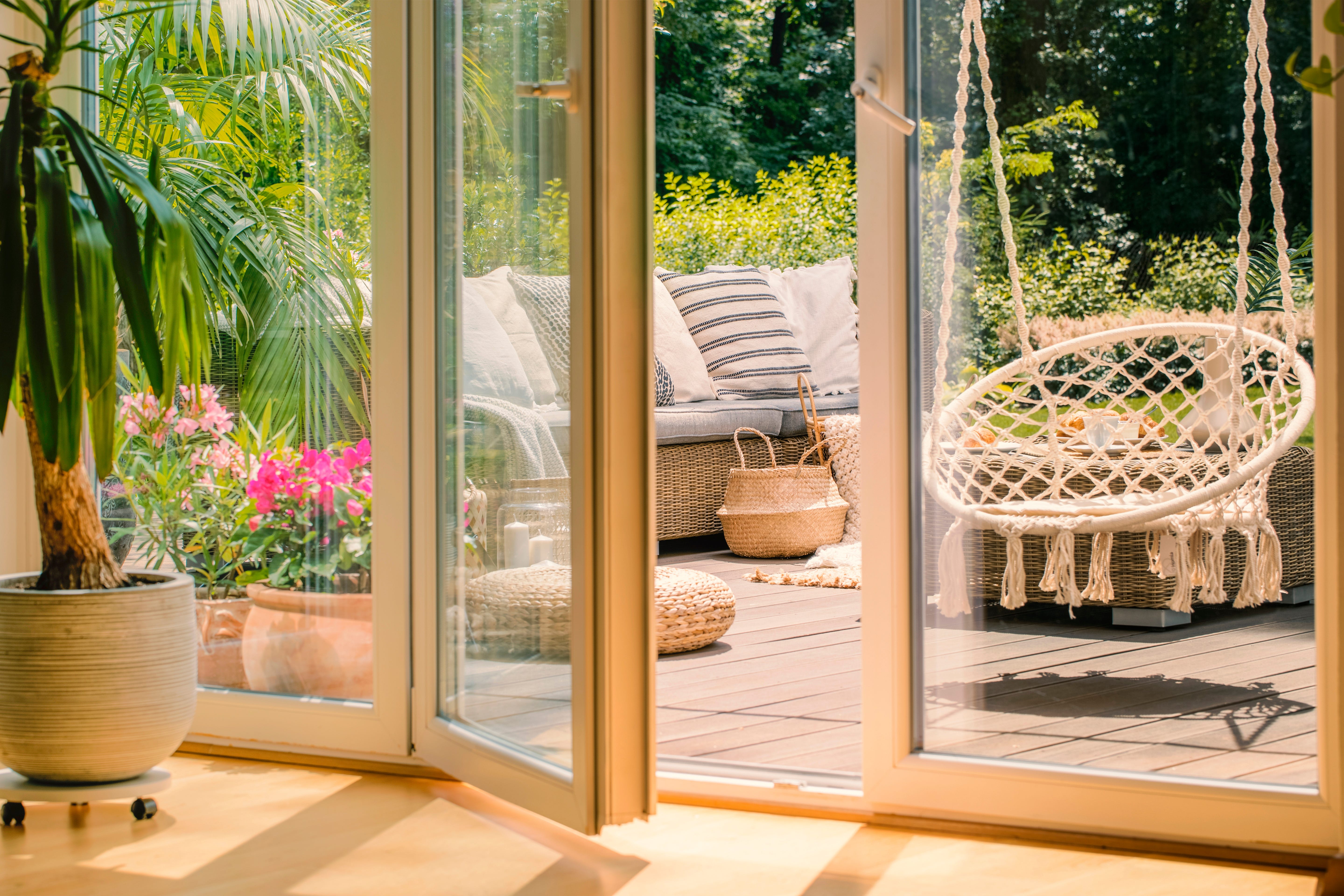
We’ve met a handful of people who told me they went to these nomad retreats for a week or two and they had the best time there and made friends for life so we’ve always been curious to give it a try as it seems like a great concept for nomads to come together and bond.
These nomad retreats usually consists of living in a nice big villa with a bunch of nomads in a particular destination and doing activities together. The concept sounds like a camp for adults in some exotic location in a nice villa. There’s also usually a specific theme that’s attached to these retreats.
Surf retreat in the south of Portugal.
Immersive Italian in Tuscany.
Wellness and yoga retreat in Bali.
Crypto, business, & entrepreneurs retreat in Dubai.
There is probably one that will spark your interest.
As mentioned previously, some of these remote work and travel programs like Remote Year offer these nomadic retreats but they are pretty pricy. There are usually smaller independent groups that organize retreats for a way more affordable price. We’ve seen a lot of these retreats being promoted on digital nomad Facebook groups and they are usually just organized by a group of nomads who rented a villa together and wants others to join them. Better yet, why not organize a “digital nomad retreat” yourself and get a group together to join you somewhere. If there are no communities, you can always create one!
We hope these 4 ways on how to find community and connection as a digital nomad helps you create more meaning and connection in your life with others in all of the places you go to!
❤️ Get the latest news and updates from our Substack Newsletter or on Medium.
📸 Follow Art of Nomading on:
Youtube: youtube.com/@artofnomading
Instagram: @artofnomading
LinkedIn: Art of Nomading
TikTok: @artofnomading